


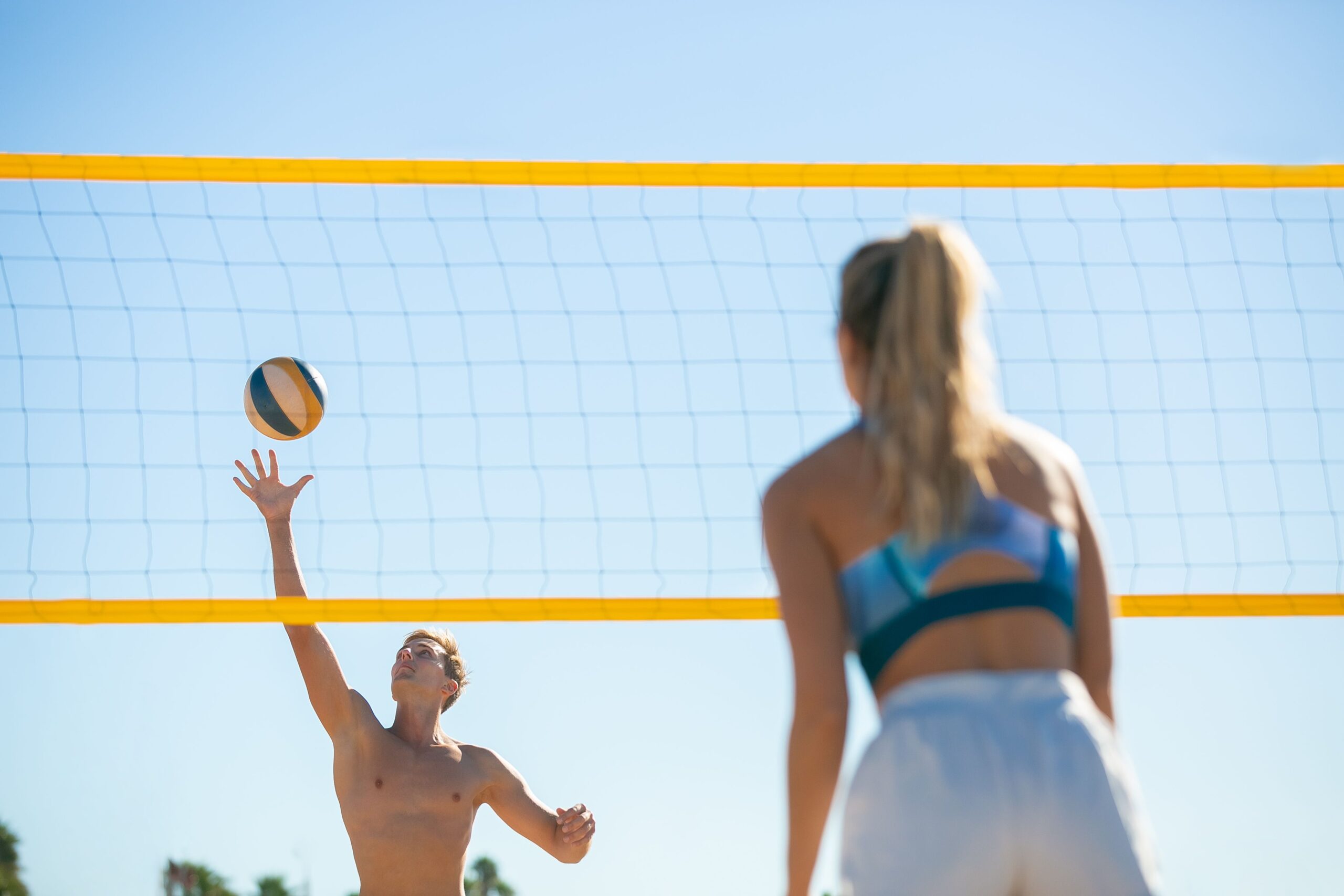
A few decades ago, staying active wasn’t something people had to schedule. Kids played outside until the streetlights came on, adults walked to the market instead of driving, and physical labor was simply part of daily life. Today, most of us sit at desks for eight hours, scroll through screens for a few more, and then wonder why our bodies feel stiff and our minds feel foggy. That shift is exactly why sport, lifestyle, and recreation have become such a talked-about combination. It’s not just about fitness anymore — it’s about reclaiming a piece of life that modern routines have quietly taken away.
More Than Just Exercise
When people hear the word “sport,” they often picture competition — a scoreboard, a winner, a loser. But sport, in the broader sense of an active lifestyle, is really about participation. It’s the Saturday morning football match with neighbors, the evening badminton game with a sibling, or the weekend hike that has nothing to do with beating anyone else’s time. This kind of recreational activity builds something competitive sport alone can’t always offer: a sense of belonging and rhythm in everyday life.
Recreation, in particular, deserves more credit than it usually gets. It’s the space between obligation and rest — the part of the day that isn’t work, but isn’t idle either. A game of tennis, a swim, a bike ride through the park: these activities recharge people in a way that passive rest, like watching television, rarely does. There’s a difference between switching off and actually restoring yourself, and recreation tends to do the latter.
The Physical Payoff
The physical benefits of an active lifestyle are well documented, but they’re worth repeating because so many people still underestimate them. Regular movement strengthens the heart, improves lung capacity, keeps joints flexible, and helps regulate blood sugar and cholesterol. It also plays a major role in maintaining a healthy weight — not through punishing workout routines, but through consistent, moderate activity woven into a normal week.
What’s often overlooked is how sport and recreation improve sleep quality. People who stay physically active during the day tend to fall asleep faster and experience deeper rest at night. Given how much modern life disrupts natural sleep patterns — blue light from phones, irregular schedules, constant notifications — this alone makes an active lifestyle worth pursuing.
There’s also the matter of longevity. Populations known for long, healthy lives rarely rely on structured gym sessions. Instead, movement is built into their daily routine: walking to visit friends, gardening, dancing at community gatherings. The lesson here isn’t that everyone needs a personal trainer — it’s that consistent, low-key physical activity, sustained over years, tends to outperform occasional intense workouts.
The Mental and Social Side
If the physical benefits of sport are widely known, the mental ones deserve just as much attention. Physical activity triggers the release of endorphins, which naturally ease stress and improve mood. But beyond the biochemistry, there’s something simpler at play: movement gives the mind a break from constant thinking. A run, a swim, or even a casual game of catch forces attention outward, away from whatever worry has been looping in someone’s head all day.
Team sports add another layer entirely — social connection. Joining a local cricket club, a weekend soccer group, or even a casual walking club creates relationships that aren’t built around work or family obligations. These are often some of the most genuine friendships people have, because they’re formed through shared effort rather than shared circumstance. In a world where loneliness has quietly become a public health concern, this social dimension of recreation might be just as important as the physical one.
Recreation also teaches patience and resilience in a low-stakes environment. Losing a friendly match, missing a shot, or falling behind in a hike doesn’t carry the weight of professional failure, but it still teaches people how to handle setbacks gracefully. Children who grow up playing sports regularly tend to carry this resilience into other areas of life — school, relationships, and eventually, careers.
Making Room for an Active Lifestyle
The common excuse for skipping physical activity is time. Work, family responsibilities, and daily errands eat into hours that could otherwise be spent moving. But an active lifestyle doesn’t require hours of free time — it requires intention. A twenty-minute walk after dinner, a weekend badminton session, or cycling to work instead of driving can be enough to shift someone’s overall energy and outlook.
Communities also have a role to play here. Public parks, affordable sports facilities, and accessible recreational programs make it easier for people — regardless of income — to stay active. Cities that invest in walkable streets, cycling paths, and community sports centers tend to see healthier, more socially connected populations. It’s not just an individual responsibility; it’s a shared one between people and the places they live in.
Technology, often blamed for making people sedentary, can also help reverse the trend. Fitness apps, step trackers, and online communities built around running or cycling have encouraged many people to move more than they otherwise would have. The key is making sure technology supports activity rather than replacing it entirely.
A Simple Shift in Perspective
Ultimately, sport, lifestyle, and recreation aren’t separate categories — they’re deeply connected. An active lifestyle isn’t built through occasional intense effort but through small, repeated choices: taking the stairs, joining a weekend game, going for a swim instead of scrolling through a phone. None of this requires elite athletic ability or expensive equipment.
What it does require is a willingness to treat movement as part of daily life rather than an occasional chore. Sport doesn’t have to mean competition, and recreation doesn’t have to mean doing nothing. Somewhere in between lies a lifestyle that keeps both body and mind genuinely well — and that, more than any trophy or record, is the real reward of staying active.
